
Resilience Recovery and Performance
Resilience Recovery and Performance are connected through the ability to respond to demanding situations, adapt to what happens and restore the human capacity required to perform again. Resilience is not simply the ability to tolerate increasing pressure. Sustainable resilience also involves what happens after human resources have been stretched or consumed.
This makes recovery an important part of resilience. Individuals and teams may mobilise significant energy during periods of pressure, change or demanding delivery. Their capacity to continue performing depends partly on their ability to recover from that expenditure and re-engage with future demands.
Within the Mentally Fit approach to human energy and sustainable performance, resilience sits within a wider performance system connecting pressure, adaptation, recovery, renewal and sustainable capacity.
RESILIENCE IS MORE THAN ENDURANCE
Resilience is sometimes understood primarily as the ability to keep going when circumstances become difficult. Endurance can be valuable, particularly when important situations require sustained effort, but it represents only one part of the performance challenge.
If resilience is interpreted only as tolerating greater demands for longer periods, the concept can unintentionally encourage people to treat human capacity as unlimited.
A sustainable performance perspective considers both response and restoration. People need the capacity to engage with challenge, but they also need the ability to recover resources after those challenges have required significant expenditure.
Resilience therefore includes the capacity to adapt, recover and become ready to engage effectively with what comes next.
RESILIENCE DEPENDS ON AVAILABLE PERFORMANCE CAPACITY
People respond to demanding situations using the resources available to them. Knowledge, experience and developed skills matter, but those capabilities still need sufficient capacity through which to be mobilised.
Performance capacity distinguishes capability from the human resources currently available to put that capability into action.
This distinction is particularly important when considering resilience. A capable individual may still experience changing levels of available capacity across periods of sustained demand.
Resilience is therefore not a fixed supply of toughness. It operates within a changing human performance system in which resources are mobilised, used, restored and mobilised again.
PRESSURE ACTIVATES THE NEED FOR RESILIENCE
Resilience becomes most visible when individuals and teams encounter pressure, disruption, uncertainty or challenge. These conditions require people to respond to demands that may exceed ordinary patterns of performance.
Pressure, energy and performance explores how increased demands interact with available human resources. Pressure can mobilise attention and effort, but responding to it also consumes energy.
The resilience question is therefore not simply whether someone can withstand pressure. It is how effectively they can respond, adapt and preserve or restore sufficient capacity for continued performance.
This creates a more sustainable relationship between resilience and demanding performance.
ADAPTATION IS PART OF RESILIENT PERFORMANCE
Resilience also involves adaptation. When circumstances change, repeating exactly the same behaviour with greater effort may not be the most effective response.
Individuals and teams need to learn from what is happening, adjust priorities and identify where their available capacity can create the greatest value.
This connects resilience with reflection for performance. Reflection helps turn experience into learning, allowing future behaviour to be informed by what previous performance situations have revealed.
A resilient performance system therefore does not only return to what existed before a challenge. It can also learn, adjust and improve the way future demands are approached.
RECOVERY IS PART OF RESILIENCE
Recovery becomes essential when demanding performance has consumed significant resources. Without restoration, individuals may face each subsequent challenge with less capacity available than before.
Energy recovery and sustainable performance explores how restoration contributes to the human capacity required for future performance.
Connecting recovery with resilience changes the emphasis from simply enduring demands towards maintaining the ability to respond repeatedly.
Recovery is therefore not evidence that resilience has failed. It is one of the processes through which resilient performance can be sustained.
DELIVERY AND RECOVERY CREATE RESILIENT PERFORMANCE RHYTHMS
Periods of demanding delivery are part of organisational life. Important projects, deadlines, transitions and unexpected challenges may all require individuals and teams to mobilise additional resources.
The relationship between delivery and recovery places these periods within a wider performance rhythm.
People mobilise capacity, deliver against important demands and then restore resources required for future engagement. Resilience operates throughout this cycle: in responding to the demand, adapting while it is happening and recovering afterwards.
This creates a model of resilience that supports repeated performance rather than permanent maximum intensity.
RENEWAL PREPARES CAPACITY FOR WHAT COMES NEXT
Recovery and renewal are closely connected within resilient performance. Recovery helps restore resources after expenditure, while renewal helps make energy available for future engagement.
Renewing energy for performance develops this next stage of the performance cycle.
Resilience therefore has a forward-looking dimension. The objective is not only to recover from what has happened, but to develop sufficient capacity to engage effectively with the next challenge.
This connection between recovery and renewal helps resilience become part of sustainable human performance rather than a response reserved only for periods of crisis.
FOCUS SUPPORTS RESILIENCE UNDER DEMAND
Pressure can increase the number of demands competing for attention. Trying to respond equally to every demand can fragment energy and consume additional capacity.
Focus, energy and performance considers how attention and clarity help direct finite human resources towards meaningful priorities.
This is relevant to resilience because effective adaptation often requires choices. Individuals and teams may need to determine what requires immediate attention, what can change and what no longer deserves the same level of energy.
Resilient performance therefore involves not only having resources available, but directing those resources intelligently as circumstances evolve.
LEADERSHIP INFLUENCES COLLECTIVE RESILIENCE
Resilience is often discussed as an individual quality, but organisational environments influence how people experience and respond to demands.
Leadership energy considers how leaders influence clarity, priorities and the wider energy environment around teams. These factors become particularly important during periods of uncertainty or pressure.
Leaders can help people understand what matters, where effort should be directed and how priorities need to change as circumstances evolve. They can also influence whether exceptional periods of intensity become permanent expectations.
Leadership therefore contributes to collective resilience by shaping some of the conditions in which teams are required to respond, adapt and recover.
RESILIENCE WITHIN TEAMS
Teams experience demanding situations collectively. Pressure can influence communication, collaboration, decision-making and the energy available across the group.
This connects resilience with team energy and performance. A resilient team needs more than individually resilient members. It needs collective practices that help people coordinate resources, adapt to changing demands and maintain effective working relationships.
Trust and team performance and psychological safety are relevant because teams need to exchange information, raise concerns and address emerging problems when circumstances become difficult.
Collective resilience therefore develops through both human capacity and the quality of the system through which that capacity is mobilised.
STRETCH, CARE AND RESILIENCE
Resilience develops through engagement with challenge rather than the complete absence of it. Meaningful stretch provides opportunities for individuals and teams to adapt, learn and expand capability.
The Mentally Fit principle of Stretch and Care provides an important connection. Stretch creates challenge and development, while care recognises the conditions and support required to engage with that challenge sustainably.
This avoids two extremes: removing meaningful demands in the name of protecting capacity, or continually increasing demands in the name of building resilience.
Sustainable resilience develops through the ability to engage with challenge, adapt, learn, recover and become ready to perform again.
RESILIENCE AND SUSTAINABLE PERFORMANCE
Resilience becomes strategically important when organisations need strong performance across changing conditions rather than during one isolated period.
A sustainable performance culture creates a wider environment in which challenge, leadership, accountability, collaboration and recovery can coexist.
This also connects with Mentally Fit's existing work on sustainable high performance. Sustainable performance does not depend on avoiding disruption or difficulty. It depends partly on the capacity to respond effectively when those conditions arise and to restore the resources required afterwards.
Resilience, recovery and performance therefore belong within the same long-term performance system.
RESILIENCE, RECOVERY AND PERFORMANCE ACROSS MENTALLY FIT
The relationship between resilience and recovery appears strongly across the international Mentally Fit network, reinforcing its role within sustainable human performance.
Mentally Fit France explores resilience, recovery and performance in France, while Mentally Fit Luxembourg examines resilience, energy and performance in Luxembourg.
Mentally Fit Spain develops the relationship through resilience and performance in Spain, while Mentally Fit Netherlands explores resilience and recovery capacity in the Netherlands.
These international perspectives reinforce a common performance principle: resilience is not simply the capacity to absorb more pressure. Sustainable resilience includes the ability to respond to challenge, adapt intelligently, recover human resources and re-engage with future performance.
contact us
we energize human performance
on 3 Levels
Energizing
Individuals
ENERGIZING
TEAMS
Energizing
Organizations
OUR MANIFESTO
ABOUT our Executive coaching
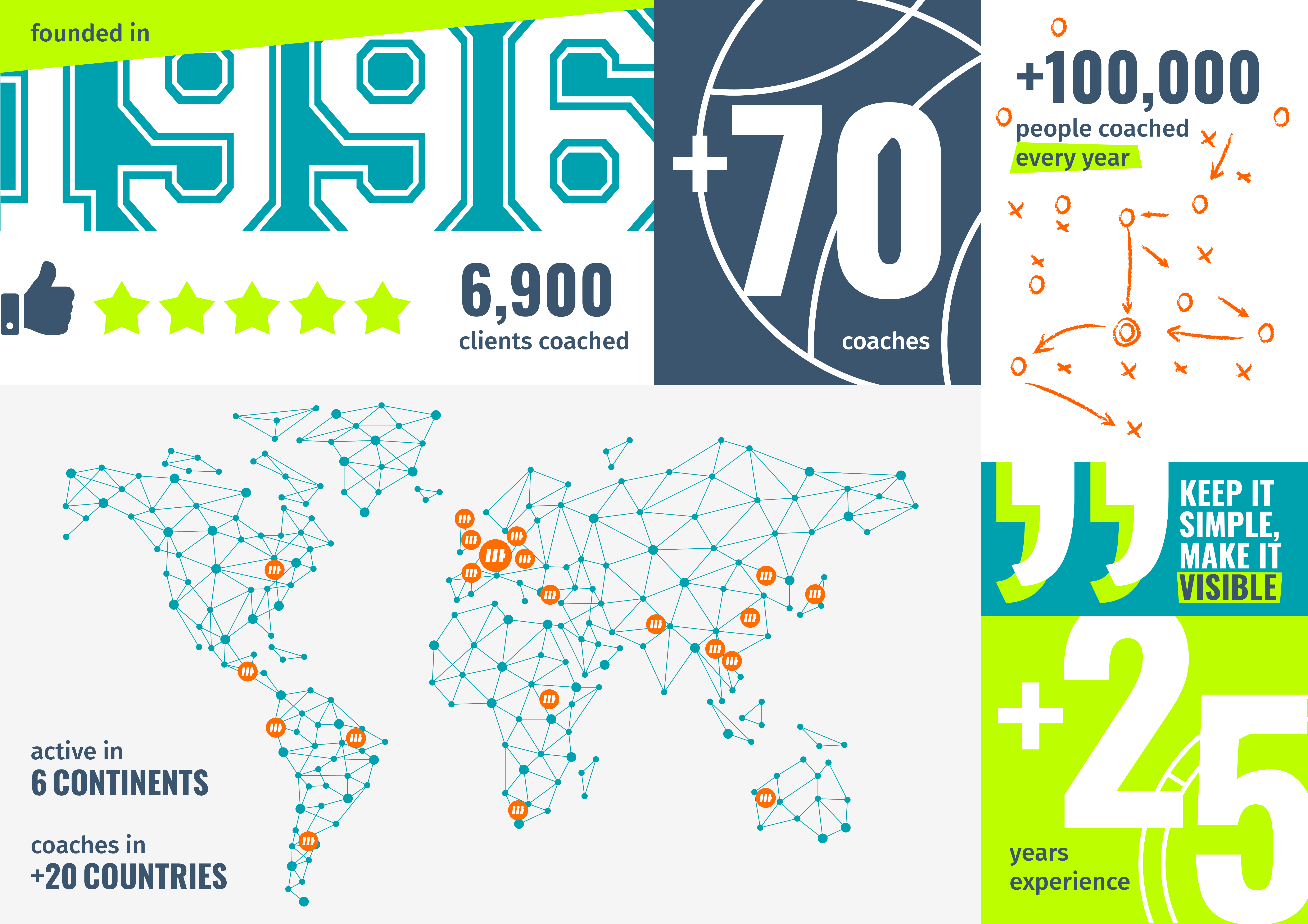

Our backbone

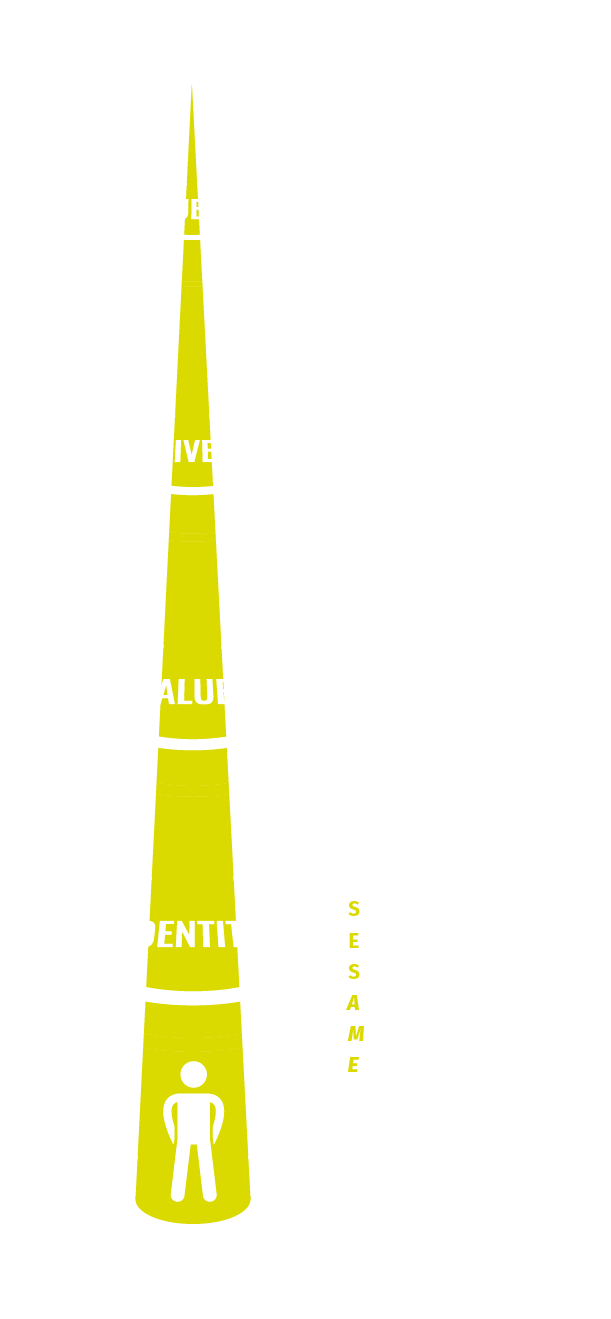
Executive coaching methodology

Sports Inspiration

Science Validation

Business Application
We energize companies all around the globe
RETAIL



Finance



Tech



F&b



PHARMA



CONSULTING



logistics



Aviation



And more