
Delivery and Recovery
Delivery and Recovery are two connected parts of sustainable performance. Delivery requires people to mobilise energy, attention and capacity towards meaningful objectives. Recovery helps restore the human resources used during that performance so they can be mobilised again.
Organisations naturally focus on delivery because results are visible. Projects need to be completed, decisions need to be made and objectives need to be achieved. Yet repeated delivery depends on the capacity available to produce those results.
Within the Mentally Fit approach to human energy and sustainable performance, delivery and recovery form a performance rhythm. The objective is not to choose between demanding performance and recovery, but to understand how both contribute to sustainable results.
DELIVERY REQUIRES HUMAN ENERGY
Performance requires resources. People use energy to concentrate, solve problems, communicate, collaborate, make decisions and translate capability into action.
Energy and human performance explains why human energy should therefore be considered as part of the performance equation rather than as something separate from work.
During periods of delivery, available resources are mobilised towards an outcome. The greater the demand, complexity or intensity of the performance period, the more significant that expenditure may become.
This expenditure is not inherently negative. Using capacity is what allows people and organisations to perform. Sustainable performance simply recognises that capacity used for delivery cannot be assumed to remain permanently unchanged.
PERFORMANCE CAPACITY CHANGES THROUGH DELIVERY
Capability and available capacity are not the same thing. A person may retain the knowledge, experience and technical ability required for a task while having different levels of human resources available at different moments.
Performance capacity helps explain this distinction. Delivery draws on the resources currently available to mobilise capability.
This means that performance capacity can change across a demanding period. A team at the beginning of an important project may not have exactly the same available resources after an extended period of concentrated delivery.
A sustainable performance system recognises this movement rather than treating capacity as a fixed resource.
HIGH PERFORMANCE REQUIRES PERIODS OF DELIVERY
Sustainable performance does not mean avoiding intensity. There are moments when individuals and teams need to stretch, concentrate resources and deliver at a high level.
Important deadlines, organisational change, complex projects and critical business periods can all require increased mobilisation of human energy.
The Mentally Fit principle of Stretch and Care helps frame this challenge. Stretch recognises the importance of meaningful demands, development and ambitious expectations. Care recognises the human conditions required to engage with those demands sustainably.
The objective is therefore not to prevent people from expending energy. It is to create a performance system capable of supporting demanding delivery without assuming that maximum expenditure can continue indefinitely.
PRESSURE CAN INTENSIFY THE DELIVERY CYCLE
Periods of delivery often become more demanding when pressure increases. Time constraints, uncertainty, competing priorities or changing circumstances may require additional effort and attention.
Pressure, energy and performance explores how these demands interact with available human capacity.
Pressure can help mobilise resources towards an important challenge. The risk emerges when exceptional intensity becomes the normal performance rhythm and there is little opportunity for capacity to be restored between demanding periods.
Sustainable performance therefore does not require the elimination of pressure. It requires greater awareness of how periods of increased expenditure connect with what happens afterwards.
FOCUS MAKES DELIVERY MORE PURPOSEFUL
Delivery is not simply a question of how much energy is spent. Performance also depends on where that energy is directed.
Focus, energy and performance considers how attention and priorities help direct available human resources towards the activities that matter most.
When priorities are unclear, people can expend significant energy without creating equivalent value. Competing demands fragment attention and increase the amount of capacity required simply to navigate the working environment.
Focused delivery helps organisations make more deliberate use of finite capacity. The objective is not merely greater activity, but purposeful expenditure of human energy towards meaningful results.
RECOVERY RESTORES CAPACITY AFTER DELIVERY
Recovery is the complementary side of the performance cycle. After resources have been mobilised and used, recovery contributes to their restoration.
Energy recovery and sustainable performance explores this part of the methodology in greater depth. Recovery matters because future performance will depend on the capacity available when the next demand arrives.
This changes the way recovery can be understood within performance environments. Rather than being viewed simply as time away from delivery, recovery becomes part of the process through which future delivery remains possible.
The stronger the performance demand, the more important it becomes to understand the restoration required afterwards.
DELIVERY AND RECOVERY CREATE A RHYTHM
Sustainable performance can be understood as a rhythm rather than a permanent state of maximum output.
Individuals and teams mobilise resources, direct those resources towards important objectives, deliver, restore capacity and prepare to engage with future demands.
This rhythm will not always be perfectly balanced. Some periods naturally require more intensive delivery than others. The important principle is that expenditure and restoration remain connected within the wider performance system.
When delivery repeatedly dominates without sufficient restoration, available capacity may become progressively more difficult to mobilise. When recovery supports the restoration of resources, demanding performance can become more repeatable.
RECOVERY AND RENEWAL SUPPORT DIFFERENT PARTS OF THE CYCLE
Recovery and renewal are closely related, but they provide useful distinctions within the Mentally Fit energy architecture.
Recovery focuses on restoring resources following expenditure. Renewing energy for performance considers how energy can be refreshed and made available for future engagement.
Together, they connect what happens after one period of delivery with the capacity available for the next.
This prevents sustainable performance from being reduced to a simple instruction to rest more. The wider methodology considers how human resources are mobilised, expended, restored and renewed across repeated performance cycles.
LEADERS INFLUENCE THE PERFORMANCE RHYTHM
Leaders influence when teams stretch, which priorities receive attention and how organisations respond after demanding periods.
Leadership energy explores how leadership behaviour influences the capacity and energy of others. The rhythm of delivery and recovery is one expression of that influence.
Leaders may sometimes need teams to increase intensity around critical objectives. Sustainable leadership also recognises that temporary increases in expenditure should not automatically become permanent expectations.
Clear priorities can reduce unnecessary demands during delivery, while appropriate recognition of recovery can help protect the resources required for future performance.
TEAMS EXPERIENCE DELIVERY AND RECOVERY COLLECTIVELY
Performance cycles also operate at team level. Teams may work together through demanding projects, periods of change or critical deadlines that require substantial collective effort.
Team energy and performance considers how individual human resources become part of a collective performance system.
During intense delivery, multiple team members may be drawing heavily on available capacity at the same time. What follows therefore affects not only individual resources but the collective capacity available for the team's next challenge.
Understanding delivery and recovery collectively helps teams consider performance across time rather than evaluating each deadline or project in isolation.
FROM PERFORMANCE CYCLE TO PERFORMANCE CULTURE
When the relationship between delivery and recovery becomes part of everyday organisational behaviour, it begins to influence culture.
A sustainable performance culture does not avoid ambitious targets or demanding periods. Instead, it creates conditions in which challenge, focus, accountability, collaboration and recovery can contribute to repeatable performance.
This also connects with Mentally Fit's wider work on sustainable high performance. Sustainable performance is not defined by avoiding effort. It is defined by developing the capacity to produce meaningful results repeatedly.
Delivery and recovery provide one of the rhythms through which that sustainability becomes possible.
DELIVERY AND RECOVERY ACROSS MENTALLY FIT
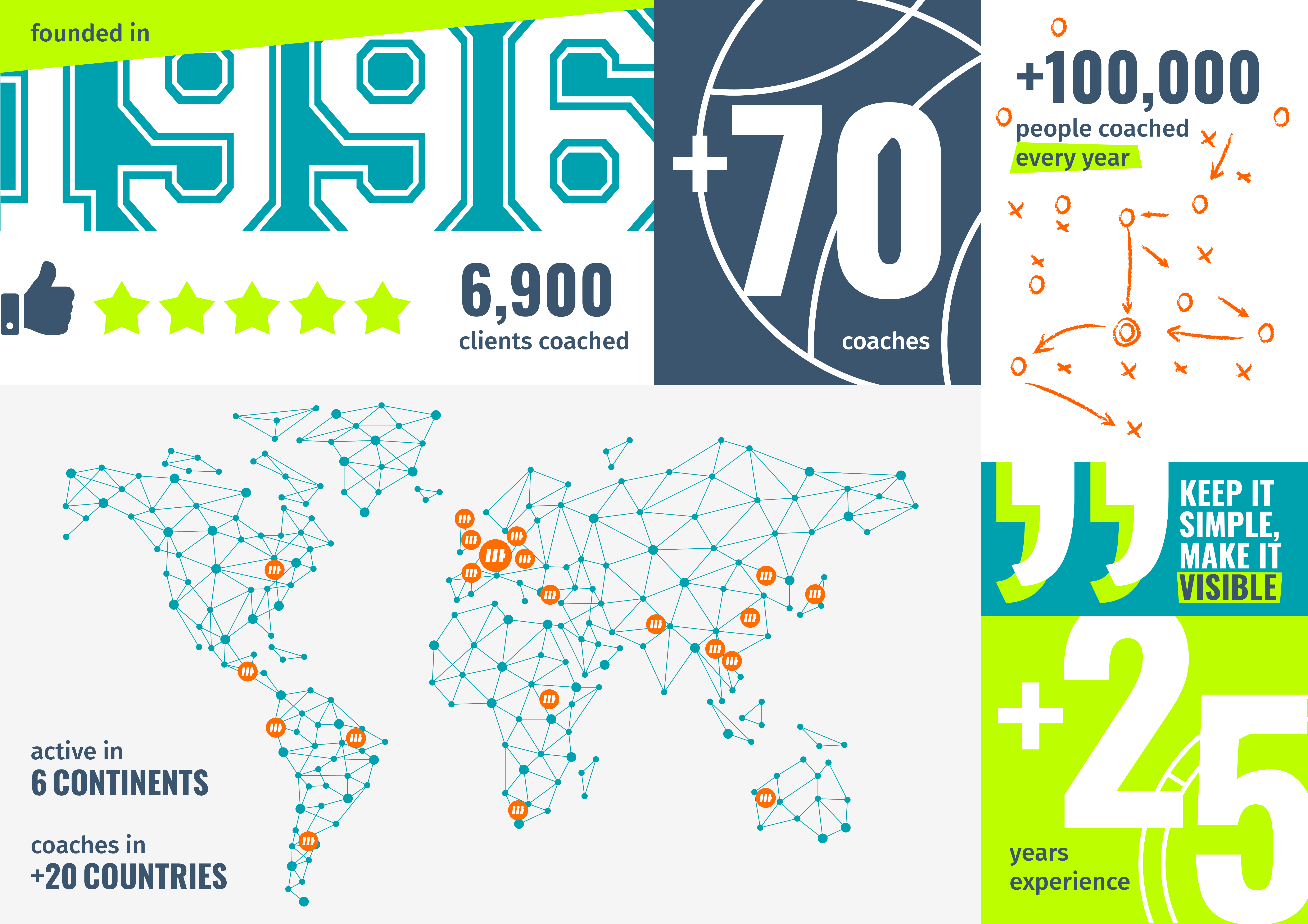
The relationship between delivery, recovery and sustainable performance appears across the international Mentally Fit network, demonstrating that the performance rhythm extends across different markets and organisational environments.
Mentally Fit Spain explores this relationship directly through delivery and recovery in Spain, while Mentally Fit Netherlands examines the balance between performance and recovery in the Netherlands.
Mentally Fit United States develops the same methodology through delivery and recovery in the United States.
The recovery side of the cycle is reinforced by Mentally Fit Italy through recovery and sustainable performance in Italy and Mentally Fit Luxembourg through recovery and sustainable performance in Luxembourg.
Together, these perspectives reinforce a central Mentally Fit principle: sustainable performance requires the capacity to deliver when it matters and the capacity to recover afterwards. Performance becomes more sustainable when delivery and recovery are understood not as opposing activities, but as connected parts of the same human performance cycle.
contact us
we energize human performance
on 3 Levels
Energizing
Individuals
ENERGIZING
TEAMS
Energizing
Organizations
OUR MANIFESTO
ABOUT our Executive coaching

Our backbone

Executive coaching methodology

Sports Inspiration

Science Validation

Business Application
We energize companies all around the globe
RETAIL



Finance



Tech



F&b



PHARMA



CONSULTING



logistics



Aviation



And more