
Leadership Energy
Leadership Energy describes the influence leaders have on the energy, attention and performance capacity of the people around them. Leaders do more than establish objectives and make decisions. Through their behaviour, communication and presence, they help shape the environment in which others are expected to perform.
A leader can create clarity around priorities, mobilise people towards meaningful objectives and help teams remain focused when demands increase. Leadership can also consume collective capacity when priorities constantly change, expectations remain unclear or unnecessary complexity makes performance more difficult.
Within the Mentally Fit approach to human energy and sustainable performance, leadership energy connects individual leadership behaviour with the wider human resources available for collective performance.
Leadership Energy Is More Than Personal Energy
Leadership energy and personal energy are connected, but they are not the same concept. Leaders need sufficient personal capacity to perform their own responsibilities, yet leadership also has an impact beyond the individual leader.
Existing Mentally Fit work on executive energy management focuses on the particular energy demands experienced by executives and leaders. Personal energy for performance considers how individuals understand and use their own available resources.
Leadership energy focuses instead on what happens around the leader. The way a leader communicates, responds to uncertainty, sets priorities and interacts with others can influence how energy is mobilised across the team.
This distinction allows leadership energy to become part of the wider performance system rather than simply another form of individual energy management.
Leaders Influence Collective Energy
Teams consist of individuals with different capabilities, responsibilities and levels of available capacity. Leadership helps connect those resources around shared direction.
This is why individual and collective energy are relevant to leadership. Leaders influence many of the conditions through which individual effort becomes collective performance.
Clear priorities can help people direct their energy towards the same objectives. Effective communication can reduce uncertainty. Constructive conversations can help teams address challenges before unresolved issues begin consuming additional capacity.
Leadership energy therefore does not mean generating constant enthusiasm. It means helping create conditions in which collective human resources can be mobilised effectively.
Clarity Directs Energy
One of the most important ways leaders influence energy is through clarity. People need to understand where attention should be directed, what matters most and how their contribution connects with wider objectives.
Without clarity, individuals may invest significant energy in competing priorities, duplicated work or repeated attempts to determine what is expected. The organisation may remain busy while available capacity becomes fragmented.
Role clarity and team performance explores one dimension of this relationship. Clear responsibilities help people understand where they can contribute most effectively and where collaboration with others is required.
Clarity also supports focus, energy and performance. By helping teams distinguish critical priorities from competing demands, leaders can support more purposeful use of available capacity.
Leadership Energy Under Pressure
The influence of leadership can become particularly visible when pressure increases. Teams often look towards leaders for direction when circumstances are uncertain, priorities compete or important decisions need to be made quickly.
Pressure, energy and performance are closely connected because demanding situations draw on available human resources. How leaders respond to those situations can affect the wider team's ability to remain focused and engaged.
A leader who introduces unnecessary uncertainty can add to the demands people are already experiencing. A leader who provides appropriate clarity can help direct attention towards what can actually be influenced and delivered.
This also connects with decision making under pressure. Leadership decisions influence not only the immediate outcome but also where the organisation subsequently directs its attention, effort and resources.
Stretch and Care in Leadership
High performance requires challenge. Without meaningful demands, individuals and teams have limited opportunities to stretch their capabilities, learn and develop. But sustainable performance also requires leaders to recognise the human capacity needed to respond to those demands.
The Mentally Fit principle of Stretch and Care provides an important framework for this leadership responsibility. Stretch creates challenge and encourages development. Care recognises the conditions and support people need to engage with that challenge sustainably.
These are not opposing leadership choices. Effective leadership can combine ambitious performance expectations with attention to the human resources required to pursue them.
This helps distinguish sustainable high performance from an environment in which pressure simply increases until capacity is exhausted.
Leadership Energy and Trust
Leadership behaviour also influences the quality of relationships within teams. When leaders communicate consistently, address difficult issues constructively and create clear expectations, people can spend less energy interpreting uncertainty around the leadership environment.
This creates a connection between leadership energy and trust and team performance. Trust can reduce unnecessary interpersonal friction and support more effective cooperation.
Psychological safety adds another dimension. Teams need to be able to raise concerns, contribute perspectives and discuss mistakes while still maintaining appropriate accountability for performance.
Leadership helps shape these conditions. The objective is not to remove challenge or disagreement, but to enable teams to direct more of their collective capacity towards useful conversations and effective action.
Leadership Energy and Performance Capacity
Leadership cannot create unlimited human capacity. It can, however, influence how effectively existing capacity is used.
Performance capacity distinguishes what people are capable of doing from the resources currently available to mobilise those capabilities. Leadership decisions affect many of the conditions surrounding that capacity.
Priorities determine where effort is directed. Work demands influence how capacity is consumed. Communication can create clarity or additional uncertainty. Team practices can enable collaboration or generate friction.
Leadership energy therefore becomes part of the wider environment in which human performance occurs.
Leadership Energy and Recovery
Leadership also influences the rhythm of performance. Organisations need periods of concentrated delivery, particularly when important objectives or demanding situations require increased effort. Sustainable performance, however, cannot depend on permanent maximum expenditure.
The relationship between delivery and recovery recognises that performance consumes resources and that those resources need opportunities to be restored.
Leaders influence this cycle through expectations, priorities and the way periods of increased demand are managed. Recognising recovery as part of performance does not mean lowering standards. It means protecting the capacity required to meet future standards as well.
This connects leadership energy directly with energy recovery and sustainable performance.
Leadership Energy Across Mentally Fit
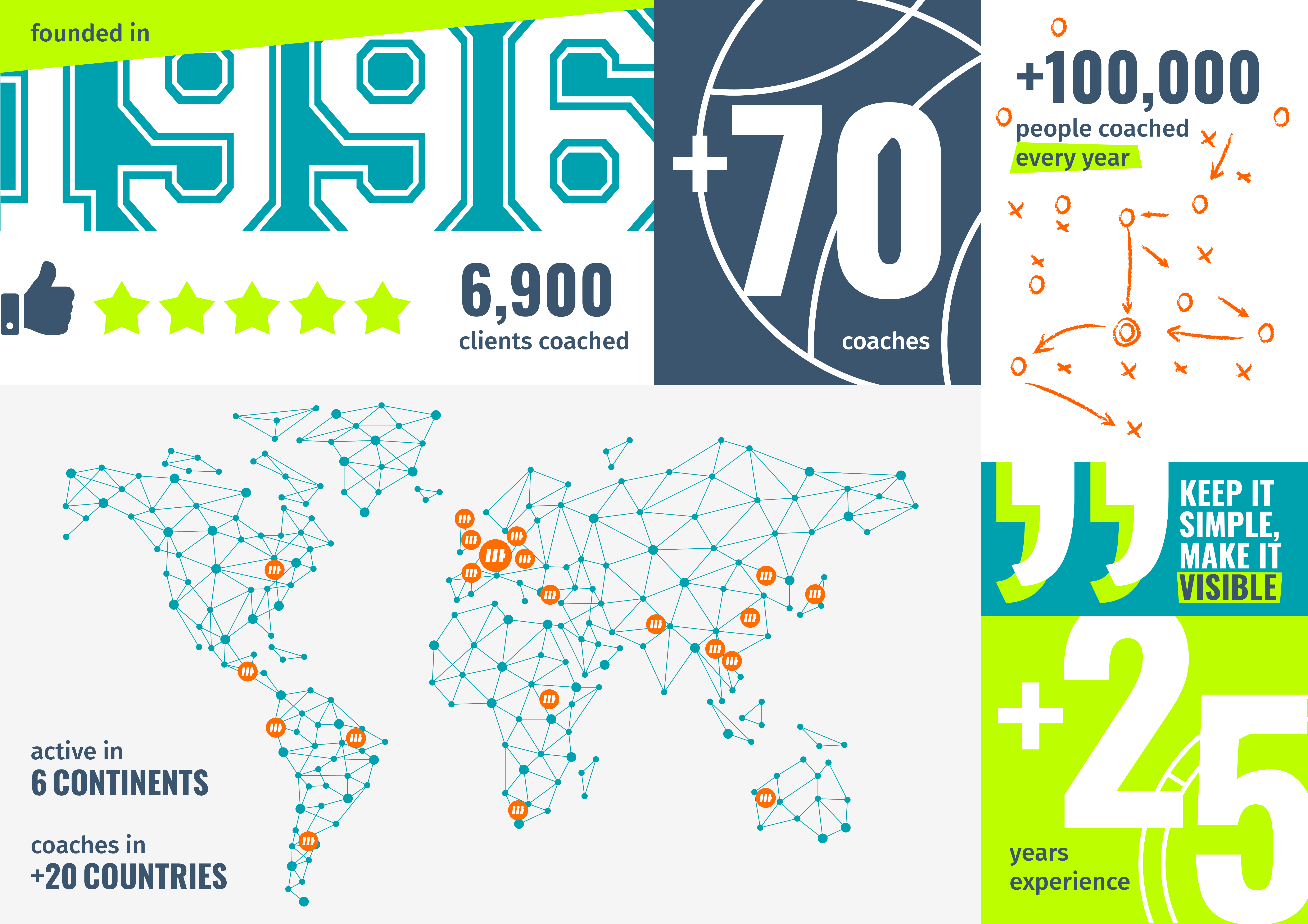
Leadership energy is reflected across the international Mentally Fit network, demonstrating how the influence of leaders on human energy and collective performance applies across different organisational environments.
Mentally Fit Belgium explores leadership, energy and performance in Belgium, while Mentally Fit France examines leadership energy and collective performance in France.
Mentally Fit India develops the relationship through leadership energy and performance in India, and Mentally Fit Italy explores leadership energy in Italy.
Together, these perspectives reinforce a central Mentally Fit principle: leaders influence more than strategy and output. Through the conditions they create around clarity, challenge, support, pressure and collaboration, they can influence how effectively human energy is converted into collective performance.
contact us
we energize human performance
on 3 Levels
Energizing
Individuals
ENERGIZING
TEAMS
Energizing
Organizations
OUR MANIFESTO
ABOUT our Executive coaching

Our backbone

Executive coaching methodology

Sports Inspiration

Science Validation

Business Application
We energize companies all around the globe
RETAIL



Finance



Tech



F&b



PHARMA


CONSULTING



logistics



Aviation



And more