
EXECUTIVE COACHING FOR MANAGERS
Executive coaching for managers helps professionals develop the leadership behaviours required to guide teams, make effective decisions and translate organisational objectives into everyday action. Managers occupy a critical position within an organisation. They are responsible for delivering results while also supporting the people whose contributions make those results possible.
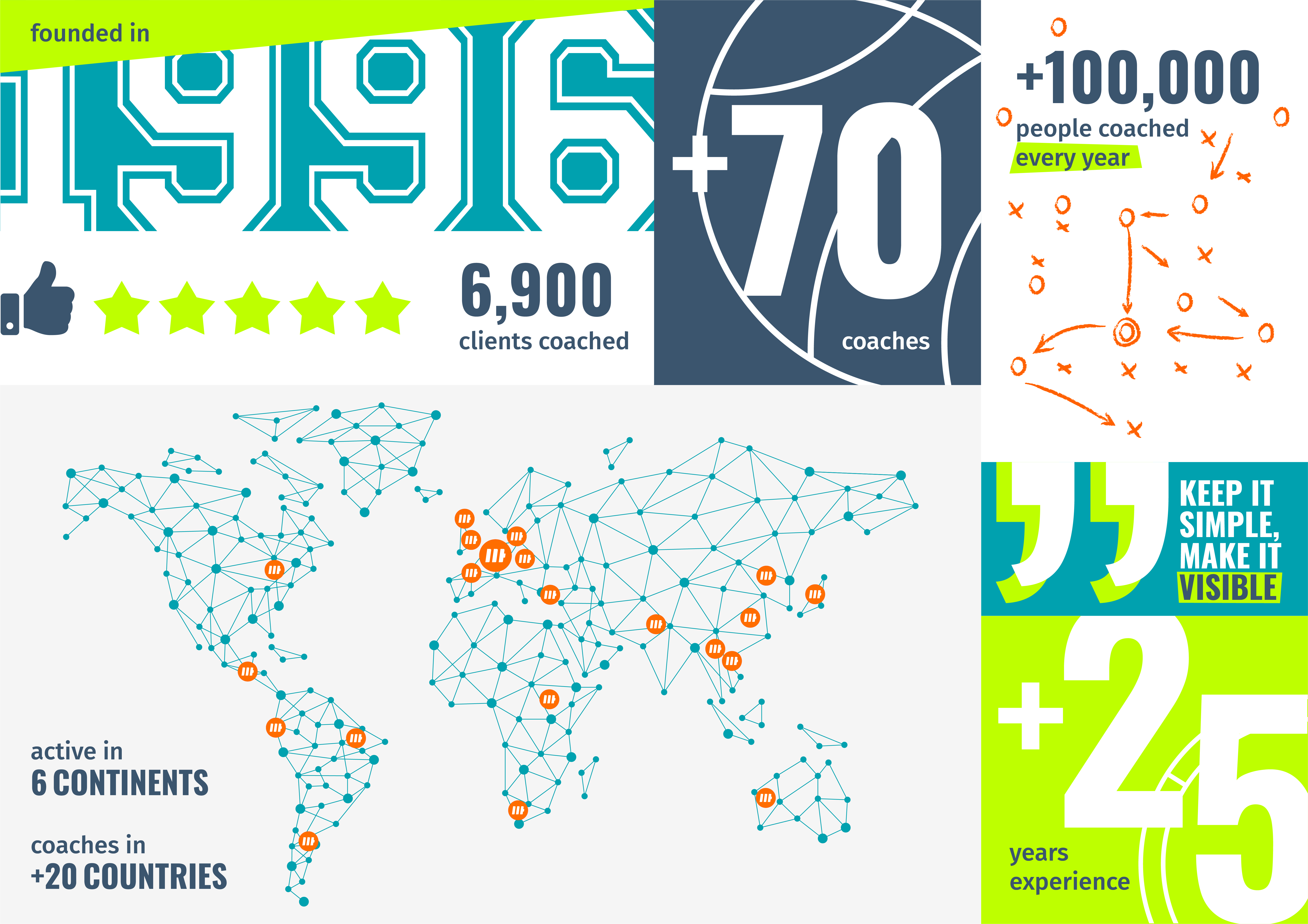
At Mentally Fit, we approach executive coaching for managers through the principles of human performance, practical leadership development and sustainable energy management. Since 1996, Mentally Fit has worked with elite athletes, executives, managers and teams to translate lessons from high-level sport into the realities of business.
Our coaching approach helps managers strengthen self-awareness, communicate expectations, develop their people and take greater ownership of performance. Rather than focusing exclusively on management theory, we emphasise behaviours that can be applied during meetings, coaching conversations, performance reviews and everyday leadership situations.
Effective managers do more than coordinate work. They create the conditions in which individuals understand their responsibilities, contribute effectively and develop the confidence to take ownership of results.
WHAT IS EXECUTIVE COACHING FOR MANAGERS?
Executive coaching for managers is a structured development process that helps people with management responsibilities strengthen their leadership effectiveness, decision-making and ability to develop others.
Although executive coaching is often associated with senior executives, many of the capabilities it develops are equally relevant to middle managers, department heads, functional managers and professionals transitioning into leadership roles.
Managers regularly face situations in which technical expertise alone is insufficient. They must resolve competing priorities, communicate difficult decisions, provide feedback, address performance concerns and motivate individuals with different needs and expectations.
Coaching helps managers examine how they respond to these challenges and develop more effective approaches to leadership.
Our broader executive coaching approach connects individual leadership development with the behaviours required for organisational performance.
WHY MANAGERS NEED COACHING AND LEADERSHIP DEVELOPMENT
Many managers are appointed because they have demonstrated strong technical knowledge, professional experience or operational competence. However, managing people introduces responsibilities that differ significantly from those involved in individual performance.
A successful specialist may know how to complete a task effectively but have limited experience developing someone else's capability to complete it. A manager may understand business objectives but struggle to translate them into clear expectations for individual team members.
Executive coaching supports the transition from being responsible primarily for personal output to becoming responsible for enabling collective performance.
This development can help managers:
- Communicate expectations and priorities more clearly.
- Delegate responsibilities while maintaining accountability.
- Conduct constructive coaching and feedback conversations.
- Develop employees rather than repeatedly solving problems for them.
- Make decisions under pressure and uncertainty.
- Address performance concerns with clarity and respect.
- Balance operational delivery with longer-term people development.
- Maintain personal effectiveness during demanding periods.
These capabilities are particularly important for organisations seeking to strengthen management effectiveness across multiple departments or leadership levels.
MANAGING, COACHING AND LEADING: THREE RESPONSIBILITIES OF EFFECTIVE MANAGERS
Mentally Fit's Managing Coaching Leading framework recognises that effective managers must balance three complementary responsibilities. Each contributes to performance, but each requires different behaviours and approaches.
MANAGING: CREATING STRUCTURE AND CLARITY
Managing involves establishing priorities, defining responsibilities, coordinating resources and maintaining accountability for results.
Effective managers help employees understand what needs to be achieved, which standards apply and how progress will be evaluated. They provide the structure required for individuals and teams to work effectively.
Coaching helps managers examine whether their instructions, expectations and follow-up practices provide sufficient clarity.
COACHING: DEVELOPING PEOPLE AND OWNERSHIP
Coaching involves helping others develop their capabilities, think independently and take responsibility for their actions.
Instead of providing immediate answers to every challenge, a manager can use questions, reflection and feedback to help employees explore possible solutions.
This does not mean withholding necessary direction. It means recognising when a situation requires instruction and when it provides an opportunity for learning and development.
LEADING: CREATING DIRECTION AND COMMITMENT
Leading involves connecting everyday work with a broader purpose, communicating direction and encouraging commitment to shared objectives.
Managers demonstrate leadership when they help teams understand why priorities matter, how individual contributions influence organisational results and what successful collaboration looks like.
The ability to move between managing, coaching and leading helps managers respond more effectively to different people and situations.
DEVELOPING EFFECTIVE COACHING CONVERSATIONS
One of the most valuable capabilities a manager can develop is the ability to conduct effective coaching conversations.
Managers frequently encounter employees who need support with a decision, a performance challenge or an unfamiliar responsibility. The manager's immediate response can influence whether the employee develops greater independence or becomes increasingly dependent on direction.
A coaching conversation encourages the employee to participate actively in understanding the situation and identifying possible actions.
Effective coaching conversations may involve:
- Clarifying the objective: Understanding what the employee wants or needs to achieve.
- Exploring the situation: Identifying relevant facts, obstacles and assumptions.
- Encouraging reflection: Helping the employee consider different perspectives and options.
- Identifying responsibility: Establishing which actions the employee can influence or control.
- Agreeing on next steps: Turning the conversation into clear commitments.
- Following up: Reviewing progress and identifying further development opportunities.
Executive coaching helps managers practise these behaviours and understand when a coaching approach is appropriate.
By improving the quality of everyday conversations, managers can strengthen employee development while reducing the need to provide every solution themselves.
GIVING FEEDBACK AND MANAGING PERFORMANCE
Providing feedback is a central management responsibility, yet it can be one of the most challenging aspects of leading people.
Some managers avoid difficult conversations because they are concerned about creating conflict. Others focus so heavily on performance problems that employees become defensive or uncertain about how to improve.
Effective feedback requires clarity about expectations, an understanding of observable behaviours and a constructive discussion about what needs to change.
Executive coaching helps managers develop greater confidence in these conversations and strengthen their ability to combine accountability with development.
RECOGNISING EFFECTIVE PERFORMANCE
Feedback should not be limited to correcting mistakes. Managers can reinforce productive behaviours by recognising specific contributions and explaining why those behaviours matter.
ADDRESSING PERFORMANCE GAPS
When performance does not meet expectations, managers need to clarify the gap, explore contributing factors and agree on appropriate next steps.
SUPPORTING CONTINUOUS IMPROVEMENT
Regular feedback and follow-up help employees understand their progress and identify opportunities to strengthen their capabilities.
The objective is to make performance development part of everyday management rather than an activity reserved for formal review periods.
DELEGATION, OWNERSHIP AND ACCOUNTABILITY
Managers cannot achieve sustainable team performance by personally controlling every decision and activity. As responsibilities increase, effective delegation becomes essential.
However, delegation involves more than transferring tasks. Managers must establish clear expectations, provide appropriate authority and ensure that employees understand their responsibilities.
Executive coaching helps managers examine how they delegate and whether their behaviours encourage independence or unintentionally create dependence.
Effective delegation includes:
- Clarifying the required outcome rather than prescribing every action.
- Establishing responsibilities and decision-making boundaries.
- Providing appropriate resources and support.
- Agreeing on milestones and follow-up arrangements.
- Encouraging employees to identify solutions and take initiative.
- Reviewing results and learning from the experience.
These practices strengthen both accountability and employee development.
Mentally Fit's Ownership vs Accountability framework explores how responsibility and initiative contribute to effective performance.
IMPROVING DECISION-MAKING AND PRIORITISATION
Managers make decisions throughout the working day. Some involve immediate operational challenges, while others influence employee development, customer relationships or longer-term team effectiveness.
Competing priorities and time pressure can make it difficult to distinguish between urgent demands and important objectives.
Executive coaching helps managers recognise their decision-making patterns and develop greater clarity about the factors influencing their choices.
Development may focus on identifying relevant information, evaluating available options, recognising emotional responses and taking responsibility for decisions.
Managers can also strengthen their ability to communicate decisions clearly, particularly when team members have different expectations or when circumstances change.
Our Decision-Making Under Pressure approach examines how focus, judgement and self-management influence effectiveness in demanding situations.
TRANSLATING ORGANISATIONAL STRATEGY INTO TEAM PERFORMANCE
Managers provide an essential connection between organisational strategy and everyday execution.
Senior leadership may establish strategic priorities, but managers are responsible for helping teams understand what those priorities mean for their work.
This requires more than communicating targets. Managers must clarify responsibilities, coordinate activities and ensure that employees understand how their contributions support wider organisational objectives.
Executive coaching helps managers strengthen their ability to translate broad direction into practical action.
Important behaviours include:
- Explaining organisational priorities in language relevant to the team.
- Identifying the activities that contribute most directly to agreed objectives.
- Clarifying responsibilities and expected outcomes.
- Monitoring progress without unnecessary micromanagement.
- Addressing obstacles and competing priorities.
- Maintaining communication between team members and senior leadership.
By developing these capabilities, managers can improve coordination and strengthen the relationship between individual contributions and organisational results.
MANAGEMENT TEAM COACHING AND COLLECTIVE EFFECTIVENESS
Managers do not operate independently of one another. Department heads, functional managers and management teams must often coordinate decisions, share resources and address challenges that extend beyond individual responsibilities.
When management teams lack alignment, employees may receive conflicting instructions, priorities may compete and organisational execution can become fragmented.
Management team coaching focuses on the collective behaviours required for effective collaboration.
Development areas may include:
- Shared priorities: Establishing a common understanding of organisational objectives.
- Cross-functional communication: Improving coordination between departments.
- Collective accountability: Taking responsibility for outcomes that require contributions from multiple teams.
- Constructive disagreement: Discussing different perspectives without undermining working relationships.
- Decision-making clarity: Understanding how decisions are made and communicated.
- Leadership consistency: Reinforcing compatible expectations across management levels.
Organisations seeking to develop collective management effectiveness can also explore Mentally Fit's executive team coaching and high performance team coaching approaches.
MANAGING PRESSURE, ENERGY AND SUSTAINABLE PERFORMANCE
Managers often experience pressure from several directions. They must respond to senior leadership expectations, support employee needs, maintain operational delivery and address unexpected challenges.
Without effective self-management, these demands can influence concentration, communication and decision-making.
Mentally Fit recognises that sustainable management effectiveness depends on the ability to manage personal energy while maintaining responsibility for results.
Our approach draws on principles from elite sport, where preparation, focused effort and recovery are recognised as important components of sustained performance.
Executive coaching helps managers examine how their working habits, responses to pressure and energy management practices influence their effectiveness.
The Human Energy and Sustainable Performance framework explores how energy influences individual and collective performance over time.
Managers who develop greater awareness of their own energy and behaviour are better positioned to lead constructively during demanding periods.
BALANCING PERFORMANCE EXPECTATIONS WITH EMPLOYEE DEVELOPMENT
Managers must achieve results while creating opportunities for employees to develop. These responsibilities can sometimes appear to compete, particularly when workloads increase or deadlines become demanding.
Mentally Fit's Stretch and Care principle provides a useful perspective on this challenge.
Stretch involves setting meaningful expectations, encouraging responsibility and creating opportunities for growth. Care involves recognising the support, trust and human conditions required for people to respond effectively to those expectations.
Effective managers learn to balance these dimensions rather than relying exclusively on pressure or avoiding difficult performance conversations.
Executive coaching helps managers consider how their behaviours influence this balance and how they can maintain high expectations while supporting sustainable employee development.
WHO BENEFITS FROM EXECUTIVE COACHING FOR MANAGERS?
Executive coaching for managers is relevant to professionals with responsibility for leading people, coordinating teams or translating organisational objectives into results.
NEWLY APPOINTED MANAGERS
Professionals transitioning into management can develop the communication, delegation and people development capabilities required for their new responsibilities.
MIDDLE MANAGERS
Middle managers can strengthen their ability to balance operational responsibilities, team development and expectations from senior leadership.
DEPARTMENT AND FUNCTIONAL MANAGERS
Managers responsible for departments or business functions can improve decision-making, accountability and coordination with other organisational teams.
EXPERIENCED MANAGERS
Experienced managers can use coaching to reflect on established leadership habits, respond to new challenges and strengthen their effectiveness as organisational expectations evolve.
MANAGEMENT TEAMS
Groups of managers can benefit from collective development focused on alignment, collaboration and consistent leadership practices.
A PRACTICAL APPROACH TO MANAGEMENT DEVELOPMENT
Mentally Fit emphasises practical application. Management development is most valuable when participants can connect coaching insights with the situations they encounter in their everyday responsibilities.
Our approach encourages managers to reflect on their current behaviours, identify opportunities for improvement and apply new practices in real working situations.
A development process may involve:
- Understanding the management context: Exploring responsibilities, objectives and current leadership challenges.
- Identifying development priorities: Recognising the behaviours most relevant to improving effectiveness.
- Applying practical coaching principles: Strengthening communication, decision-making, delegation and people development.
- Practising in everyday situations: Applying insights during meetings, feedback conversations and team interactions.
- Reviewing progress: Reflecting on changes in behaviour and identifying further opportunities for improvement.
The specific coaching approach can be adapted to the manager's responsibilities and the organisation's development objectives.
HOW CAN ORGANISATIONS EVALUATE MANAGEMENT COACHING?
The value of executive coaching for managers should be considered in relation to observable leadership behaviours and relevant organisational objectives.
Depending on the coaching priorities, organisations may examine changes in:
- The clarity of responsibilities and team expectations.
- The quality and frequency of coaching and feedback conversations.
- Delegation practices and employee ownership.
- Decision-making and follow-through on commitments.
- Communication and collaboration within management teams.
- The manager's ability to respond constructively to pressure.
- Progress towards agreed management development objectives.
These indicators help connect coaching with practical leadership development. The most relevant measures should be agreed according to the manager's role and organisational context.
WHY CHOOSE MENTALLY FIT FOR EXECUTIVE COACHING FOR MANAGERS?
Founded in Belgium in 1996, Mentally Fit has developed an international approach to human performance, drawing on lessons from elite sport and applying them to business environments.
Our work connects leadership development with the practical behaviours required for sustainable individual and team performance.
Three characteristics are central to this approach:
- Practical leadership behaviours: Focusing on how managers communicate, delegate, coach and lead in everyday situations.
- Human performance principles: Recognising the relationship between focus, energy, self-management and professional effectiveness.
- Individual and collective development: Connecting management capability with employee development, team effectiveness and organisational objectives.
Our approach helps organisations develop managers who can deliver results while strengthening the capabilities and responsibility of the people they lead.
FREQUENTLY ASKED QUESTIONS ABOUT EXECUTIVE COACHING FOR MANAGERS
WHAT IS EXECUTIVE COACHING FOR MANAGERS?
Executive coaching for managers is a professional development process that helps managers strengthen leadership effectiveness, decision-making, communication, delegation and their ability to develop team members. It focuses on applying coaching and leadership behaviours in everyday management situations.
IS EXECUTIVE COACHING ONLY FOR SENIOR EXECUTIVES?
No. Executive coaching can also benefit middle managers, department heads, functional managers and professionals transitioning into leadership roles. The development priorities are adapted to the individual's responsibilities and organisational context.
WHAT IS THE DIFFERENCE BETWEEN EXECUTIVE COACHING AND MANAGEMENT TRAINING?
Management training generally introduces knowledge, frameworks and skills relevant to management responsibilities. Executive coaching provides opportunities to examine individual leadership behaviours, reflect on specific challenges and develop practical approaches suited to the manager's situation. The two approaches can complement one another.
HOW DOES EXECUTIVE COACHING HELP MANAGERS DEVELOP THEIR TEAMS?
Coaching helps managers strengthen feedback, communication, delegation and coaching conversations. These behaviours can support employee development, clearer responsibilities and greater ownership of team objectives.
CAN EXECUTIVE COACHING IMPROVE MANAGEMENT TEAM PERFORMANCE?
Executive coaching can support management team effectiveness by strengthening leadership alignment, communication, accountability and collaboration. Team-based coaching may be particularly relevant when several managers share responsibility for organisational objectives.
WHAT IS THE MANAGING COACHING LEADING FRAMEWORK?
Mentally Fit's Managing Coaching Leading framework recognises three complementary management responsibilities: providing structure through managing, developing people through coaching and creating direction through leading. Effective managers learn to apply these behaviours according to the needs of each situation.
HOW CAN ORGANISATIONS MEASURE THE IMPACT OF EXECUTIVE COACHING FOR MANAGERS?
Organisations can evaluate progress against agreed development objectives and observable leadership behaviours. Relevant indicators may include improvements in communication, delegation, coaching conversations, accountability and team alignment.
DOES EXECUTIVE COACHING SUPPORT MANAGERS WORKING UNDER PRESSURE?
Yes. Executive coaching can help managers develop greater awareness of their responses to pressure, strengthen decision-making and improve personal energy management. These capabilities support more consistent leadership during demanding periods.
DEVELOP MORE EFFECTIVE MANAGERS WITH MENTALLY FIT
Effective managers connect organisational direction with the everyday actions of their teams. They provide clarity, develop people, encourage accountability and create the conditions for sustainable performance.
Mentally Fit helps managers strengthen these capabilities through practical executive coaching and human performance development inspired by elite sport.
Whether your organisation wants to support newly appointed managers, strengthen middle management effectiveness or develop a more aligned management team, our approach can be adapted to your leadership development objectives.
Explore executive coaching for managers. Contact Mentally Fit to discuss your organisation's management development needs.
contact us
we energize human performance
on 3 Levels
Energizing
Individuals
ENERGIZING
TEAMS
Energizing
Organizations
OUR MANIFESTO
ABOUT our Executive coaching

Our backbone


Executive coaching methodology

Sports Inspiration
Science Validation
Business Application
We energize companies all around the globe
RETAIL



Finance



Tech



F&b



PHARMA


CONSULTING



logistics



Aviation



And more