
Collaborative Performance
Collaborative Performance describes the ability of people, teams and functions to combine their capabilities and human resources around shared outcomes. Collaboration creates performance value when working together allows the organisation to achieve something more effectively than individuals or teams could achieve in isolation.
This means collaboration is not simply about increasing interaction. Meetings, communication and coordination all require energy. Effective collaboration needs to create enough value to justify the human capacity invested in making it happen.
Within the Mentally Fit approach to human energy and sustainable performance, collaborative performance connects collective energy, clarity, trust, accountability and shared direction with the ability to deliver together.
COLLABORATION IS A PERFORMANCE MECHANISM
Organisations contain capabilities distributed across many people. Different individuals and teams bring knowledge, experience, perspectives and responsibilities that may all be required to achieve an important objective.
Collaboration provides a mechanism through which those capabilities can be combined.
The performance value does not come from collaboration itself. It comes from what collaboration enables people to achieve together.
This distinction matters because more interaction does not automatically create better performance. Collaborative performance asks whether collective work helps capabilities connect around outcomes that matter.
COLLABORATION MOBILISES COLLECTIVE ENERGY
Every collaborative interaction requires human energy. People need to communicate, listen, interpret information, contribute ideas, resolve differences and coordinate action.
This creates a strong connection with individual and collective energy. Individuals bring their own resources into a shared performance environment, where interactions can either mobilise those resources effectively or consume additional capacity.
Effective collaboration can connect individual contributions into greater collective capability. Ineffective collaboration can create repeated meetings, duplicated conversations and unclear decisions that consume energy without producing equivalent value.
Collaborative performance therefore depends partly on how intelligently collective energy is used.
TEAM ENERGY NEEDS COORDINATION
A team can contain considerable energy and capability without those resources automatically producing strong collective results.
Team energy and performance explores how individual resources become part of a wider team system. Collaboration provides one of the ways through which those resources are coordinated.
People need to know when independent action is appropriate and when combining capabilities will improve the outcome.
The objective is not constant collaboration. It is effective coordination of human resources according to what the performance challenge requires.
CLARITY MAKES COLLABORATION MORE EFFECTIVE
Collaboration becomes difficult when people are uncertain about responsibilities, priorities or decision ownership. Significant energy can be spent negotiating who should contribute rather than actually contributing.
Role clarity and team performance provides an important foundation for effective collaboration. Clear roles help people understand what they bring into the collective process and where their contribution connects with others.
Clarity does not create rigid boundaries between people. It can make crossing those boundaries more purposeful because participants understand why their different capabilities need to be combined.
Effective collaboration therefore benefits from both clear individual contribution and clear shared objectives.
SHARED PURPOSE DIRECTS COLLABORATIVE ENERGY
People collaborate more effectively when they understand what they are trying to achieve together.
This connects collaborative performance with purpose, energy and performance. Purpose helps provide direction for the human resources being mobilised.
Without sufficient shared direction, collaboration can become activity without clear performance value. Different participants may enter the same process with competing assumptions about what success requires.
A shared objective gives collaboration a performance reference point: what outcome requires our combined capabilities, and how should we work together to achieve it?
TRUST SUPPORTS COLLABORATIVE PERFORMANCE
Collaboration creates interdependence. People need information, commitments and contributions from others in order to complete their own responsibilities effectively.
This makes trust and team performance particularly relevant. When people can rely appropriately on one another, less capacity needs to be spent continually protecting against uncertainty within working relationships.
Trust does not mean assuming that everything will work without accountability. Effective collaboration requires people to make commitments visible and address problems when those commitments are not being met.
Trust supports collaboration when it enables people to work across interdependence without removing responsibility for performance.
PSYCHOLOGICAL SAFETY ENABLES USEFUL CONTRIBUTION
Collaboration creates value partly because different people bring different information and perspectives into the performance process.
Those differences become less useful when people do not feel able to express them. Psychological safety supports an environment in which people can raise concerns, contribute ideas and challenge assumptions constructively.
This does not mean every idea needs to be accepted or disagreement should be avoided. Collaborative performance often requires productive differences to be explored before decisions are made.
The performance objective is to make relevant information available to the collective process rather than allowing useful perspectives to remain unspoken.
ACCOUNTABILITY PREVENTS COLLABORATION FROM BECOMING DIFFUSE
Shared work can sometimes create uncertainty about individual responsibility. When everyone is involved, it can become unclear who ultimately owns particular actions or outcomes.
This makes team accountability an important part of collaborative performance.
Collaboration allows people to contribute together, while accountability keeps responsibilities and commitments visible within that shared process.
The relationship between ownership and accountability reinforces this distinction. People can participate collectively while still taking clear ownership of their contribution and remaining accountable for what they have committed to deliver.
COLLABORATION SHOULD CREATE MORE VALUE THAN FRICTION
Collaboration has a human energy cost. Meetings require attention. Coordination requires communication. Shared decisions require people to process multiple perspectives and reach sufficient alignment to act.
These investments can be valuable when they improve the quality or effectiveness of performance. They become less useful when collaboration exists without a clear reason.
This connects collaborative performance with performance capacity. Human capacity is finite, so organisations need to consider whether collaborative processes are using that capacity purposefully.
The goal is not maximum collaboration. It is enough collaboration to connect the capabilities required for the outcome while avoiding unnecessary collective expenditure.
FOCUS PROTECTS COLLABORATIVE CAPACITY
Collaborative environments can create many competing demands for attention. People may participate in multiple teams, projects and conversations simultaneously.
Focus, energy and performance becomes relevant because attention determines where finite human resources are directed.
Clear priorities help people understand which collaborative activities deserve their involvement and which may not require the same level of attention.
Focused collaboration protects capacity by connecting interaction with meaningful performance priorities rather than allowing coordination itself to become the objective.
COLLABORATION UNDER PRESSURE
Pressure can test the quality of collaboration. When demands increase, people may have less time and capacity available for communication while simultaneously becoming more dependent on information and contributions from others.
Pressure, energy and performance explores how increased demands interact with finite human resources.
Teams with clear roles, shared priorities and effective working relationships have a stronger foundation for coordinating under these conditions.
Collaborative performance under pressure therefore depends partly on practices established before the pressure arrives. Clarity and trust reduce the amount of additional energy required simply to organise collective action.
LEADERSHIP ENABLES COLLABORATION ACROSS BOUNDARIES
Leaders influence whether collaboration is encouraged where it creates value and whether organisational boundaries become unnecessary barriers to performance.
Leadership energy considers how leadership behaviour influences collective attention and capacity. Leaders can help connect people around shared objectives, clarify decision responsibilities and remove unnecessary friction between teams.
They can also unintentionally increase collaborative demands by involving too many people in decisions or creating processes that require excessive coordination.
Effective leadership therefore considers not simply whether people are collaborating, but whether collaboration is helping the organisation use its collective capacity more effectively.
COACHING CAN STRENGTHEN COLLABORATIVE BEHAVIOURS
Collaborative performance describes the methodology relationship between collective capability, energy and results. Mentally Fit's existing work on team coaching for collaboration provides a complementary application of this territory.
Team coaching can help groups examine how they communicate, coordinate, address differences and take responsibility for shared performance.
The distinction protects the architecture between methodology and intervention. Collaborative performance explains why effective collaboration matters to human and organisational performance, while team coaching for collaboration focuses on developing the team behaviours that support it.
COLLABORATION SUPPORTS SUSTAINABLE PERFORMANCE CULTURE
At organisational level, collaboration influences how effectively capabilities can move across teams and functions rather than remaining isolated within separate parts of the organisation.
A sustainable performance culture needs ways of connecting those capabilities without creating excessive coordination costs.
Clear purpose, role clarity, trust, accountability and appropriate leadership help create this balance. People can work independently where independence is effective and combine resources where collective action creates greater value.
Collaborative performance therefore supports sustainability by helping organisations make more purposeful use of the human capacity distributed across the system.
COLLABORATIVE PERFORMANCE ACROSS MENTALLY FIT
Collaboration and collective performance appear across the international Mentally Fit network, demonstrating the importance of combining human capabilities across different organisational environments.
Mentally Fit France explores cross-team collaboration and performance in France, extending the concept beyond individual teams into collaboration across organisational boundaries.
Mentally Fit Spain develops the methodology through collaborative excellence in Spain, connecting effective collaboration with stronger collective performance.
Mentally Fit Netherlands provides a complementary energy perspective through collective energy in teams in the Netherlands, while Mentally Fit Belgium explores mobilising collective energy in Belgium.
Together, these perspectives reinforce an important Mentally Fit performance principle: collaboration creates value when it helps people combine capabilities and human energy around meaningful outcomes. Sustainable collaborative performance is not about working together more. It is about working together where collective effort creates stronger performance.
contact us
we energize human performance
on 3 Levels
Energizing
Individuals
ENERGIZING
TEAMS
Energizing
Organizations
OUR MANIFESTO
ABOUT our Executive coaching
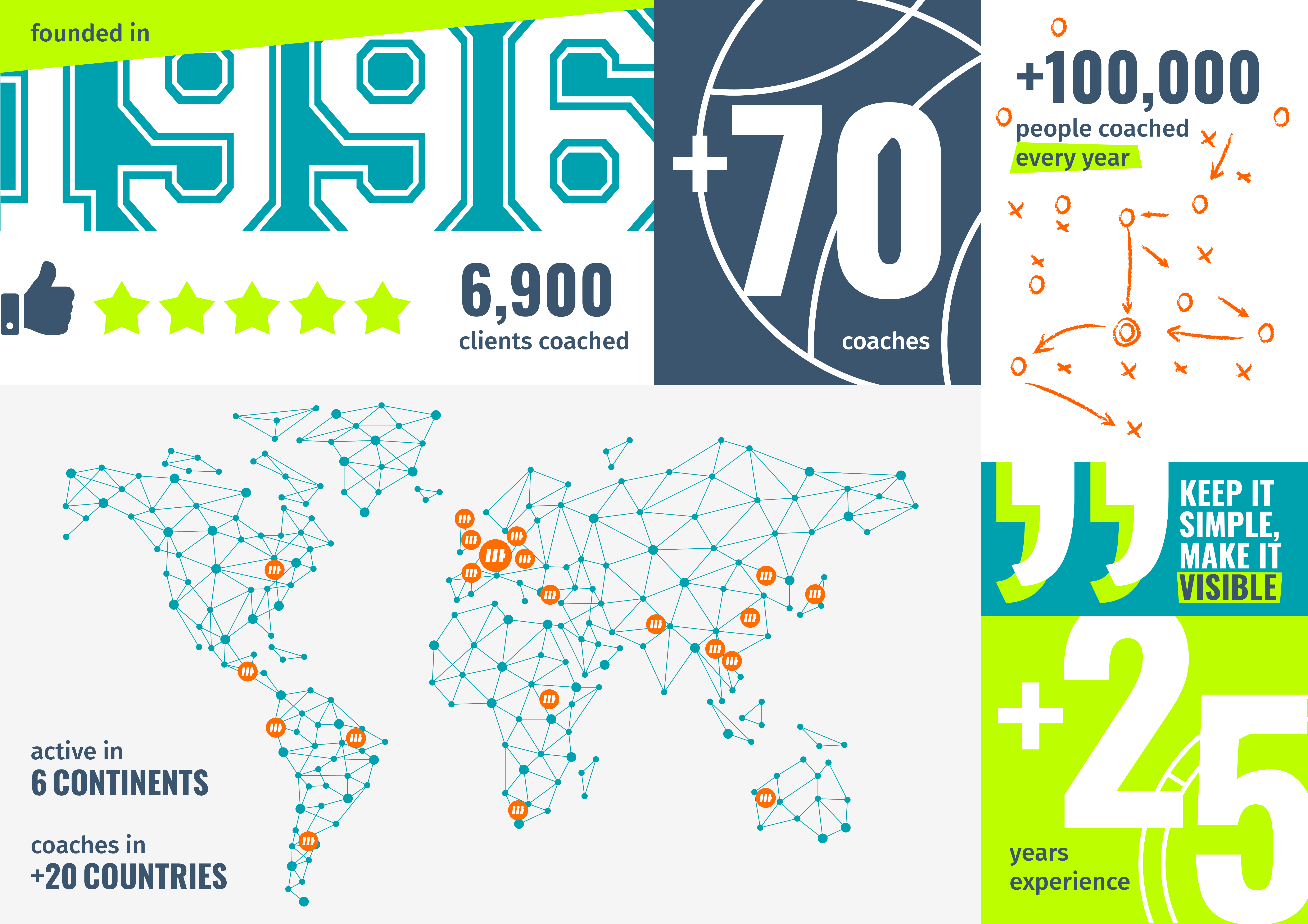

Our backbone

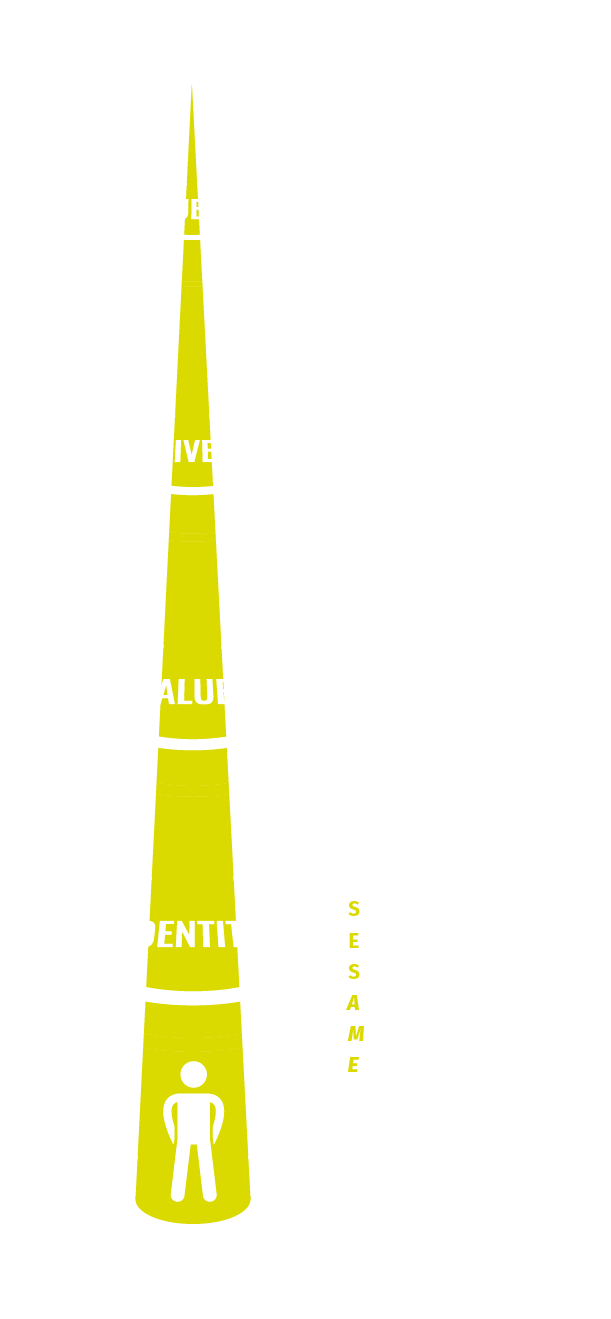
Executive coaching methodology

Sports Inspiration

Science Validation

Business Application
We energize companies all around the globe
RETAIL



Finance



Tech



F&b



PHARMA



CONSULTING



logistics



Aviation



And more