
Coaching vs Managing
One of the most common leadership challenges is knowing when to coach and when to manage. Both approaches are essential, yet they serve different purposes. Within the Mentally Fit Coaching Leadership Framework, effective leaders understand that management provides direction while coaching develops capability. The ability to move confidently between these two approaches is one of the defining characteristics of high-performing leaders.
Many managers unintentionally over-manage because providing answers often feels faster than developing thinking. While this may solve today's problem, it can also create dependency. Coaching, by contrast, helps people strengthen judgement, confidence and ownership so they become increasingly capable of solving future challenges independently.
The objective is therefore not to replace management with coaching. It is to know when each approach creates the greatest value.
When Leaders Need to Manage
Management is most appropriate when clarity, consistency and coordination are required. New employees often need clear instruction. Safety-critical environments require defined procedures. During crises, teams benefit from decisive leadership that provides direction and stability.
Managers establish expectations, allocate resources, clarify priorities and ensure work is completed effectively. These activities remain essential to organisational performance.
Strong manager effectiveness depends on doing these fundamentals consistently while recognising that leadership extends beyond task management.
When Leaders Should Coach
Coaching becomes valuable when the goal is learning rather than immediate instruction. Instead of providing answers, leaders encourage people to think, reflect and identify solutions for themselves.
Effective coaching conversations help individuals examine situations from different perspectives, evaluate options and take ownership of meaningful action. Rather than increasing dependency on the leader, coaching gradually increases confidence, judgement and independence.
This approach forms the foundation of human performance coaching, where learning happens through real workplace experiences instead of simply receiving advice.
Leadership Requires Both Approaches
The strongest leaders do not choose between coaching and managing. They combine both depending on the needs of the individual, the team and the situation.
A new employee may initially require detailed direction. As capability develops, the leader gradually shifts towards coaching by asking questions, encouraging reflection and increasing responsibility. This progression builds both competence and confidence.
Leaders who remain aware of this balance create stronger team accountability because people learn to own decisions rather than relying on constant supervision.
Questions Develop Better Thinking
One of the biggest differences between coaching and managing lies in the quality of questions being asked. Managers often ask questions to monitor progress. Coaching leaders ask questions that improve thinking.
Examples include:
- What outcome are you trying to achieve?
- What options have you considered?
- What assumptions might you be making?
- What support do you need?
- What will you commit to before we speak again?
These conversations strengthen ownership while naturally reinforcing feedback and performance. Reflection becomes part of everyday leadership rather than something reserved for formal reviews.
Building Coaching Leadership
Moving from traditional management towards coaching leadership requires deliberate practice. Leaders need to become comfortable listening more, asking better questions and allowing others to think through challenges without immediately providing solutions.
This does not mean avoiding difficult decisions or lowering expectations. Coaching leaders still address difficult conversations, make clear decisions and maintain accountability. The difference is that they use these moments to develop capability rather than simply solve immediate problems.
Over time, these behaviours strengthen trust, encourage psychological safety and contribute directly to a sustainable coaching culture.
Developing Coaching Leadership Across Mentally Fit
Mentally Fit helps organisations develop leaders who know when to manage, when to coach and when to lead. Our practical coaching methodologies strengthen judgement, improve performance and build sustainable coaching cultures across organisations worldwide.
Coaching leadership is not about choosing one leadership style over another. It is about responding appropriately to reality, helping people grow while ensuring organisations continue to perform at their best.
contact us
we energize human performance
on 3 Levels
Energizing
Individuals
ENERGIZING
TEAMS
Energizing
Organizations
OUR MANIFESTO
ABOUT our Executive coaching
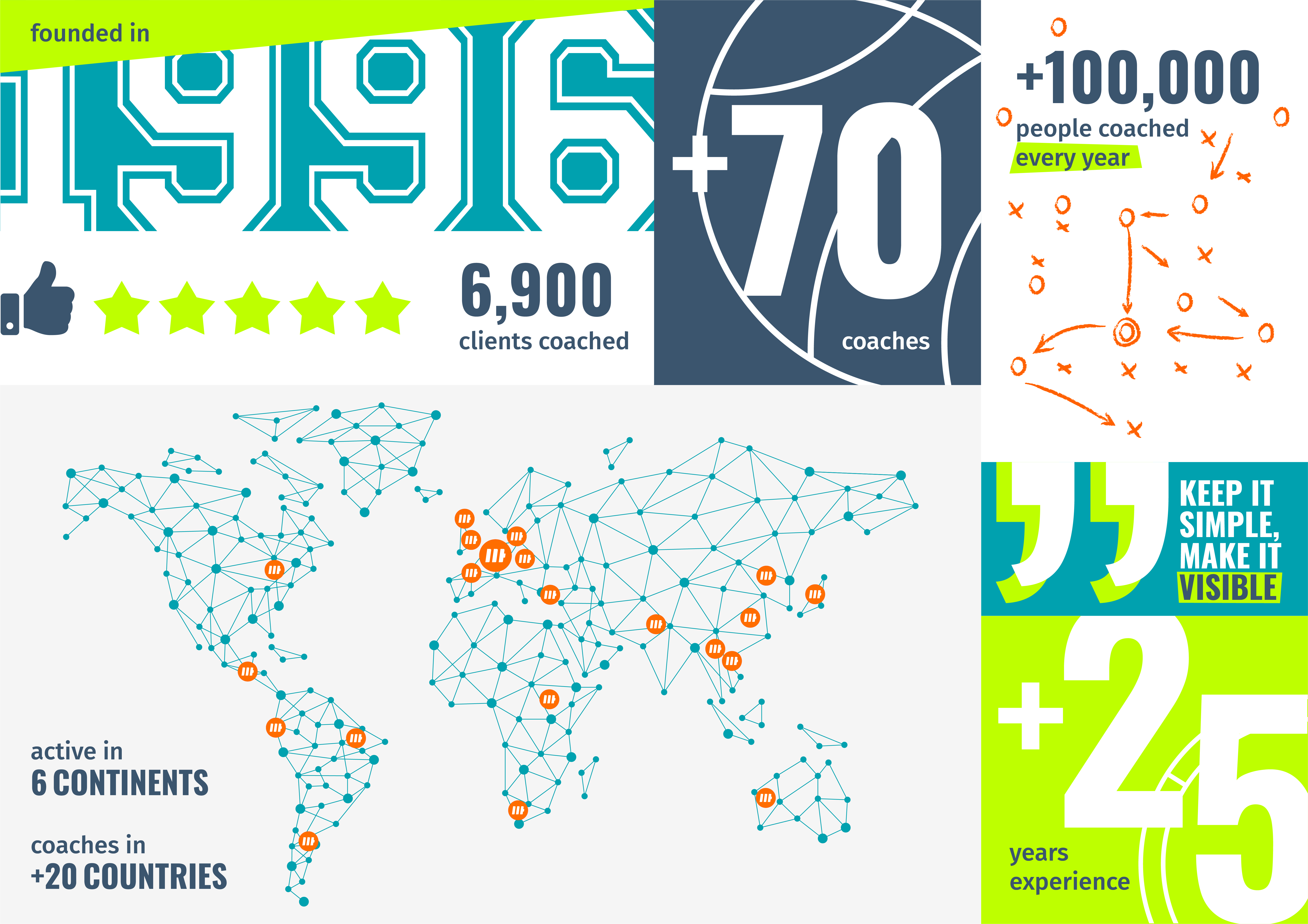

Our backbone


Executive coaching methodology

Sports Inspiration

Science Validation
Business Application
We energize companies all around the globe
RETAIL



Finance



Tech



F&b



PHARMA


CONSULTING



logistics



Aviation



And more